
Featured
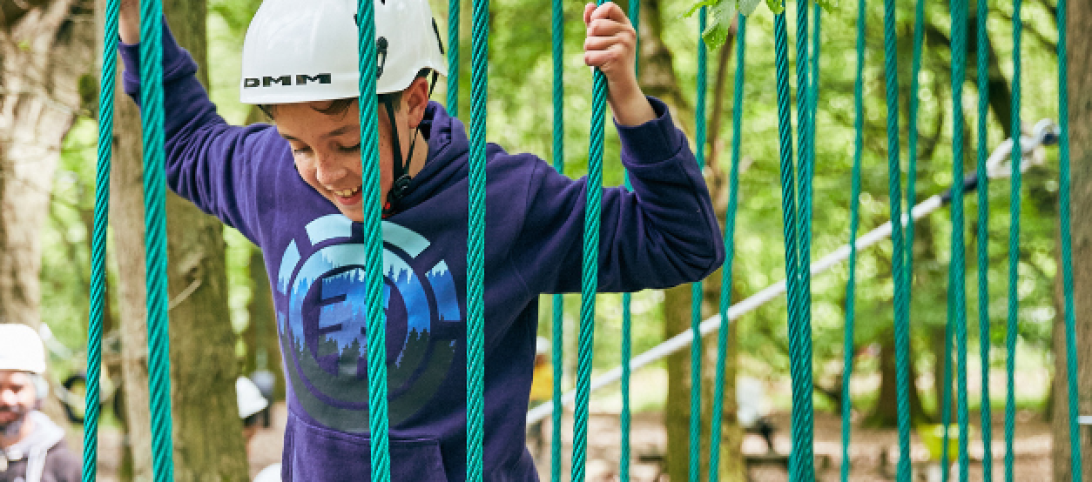
That’s why unstructured play matters so much. It may not come with certificates or measurable outcomes, but it remains one of the most powerful building blocks of childhood and one of the most overlooked.
When children are given the freedom to play, they’re not just passing time. They’re learning, healing, and building the resilience they will carry into later life.
Unstructured play provides the space for children to decompress, explore and engage on their own terms. It encourages creativity, risk-taking, collaboration and problem-solving – not because anyone is setting objectives, but because children stumble across them naturally. In the process, they learn how to begin something and change direction when it doesn’t work, how to create and adapt rules, how to handle conflict, and how to entertain themselves without relying on a screen or an adult-led activity.
There is increasing pressure in schools, after-school clubs and even at home to fill every moment with structured, “valuable” activity. Parents want their children to get the most out of every opportunity. Schools feel the need to deliver measurable outcomes. Providers are expected to offer wow-factor experiences.
But children don’t always need more structure. Often, they need less. What’s frequently missing from a child’s week is time to simply switch off and explore the world at their own pace. That time isn’t wasted – it’s essential.
At Active Learning Group, unstructured time is deliberately built into many programmes. Not every minute is scheduled or led. Instead, children are given breathing space to explore, reflect and create.
The change is striking. Those who arrive anxious or withdrawn gradually come out of their shells. Children accustomed to being constantly entertained begin to invent their own ways to play. Group dynamics shift, confidence grows, energy finds a natural balance. The simplest moments, such as gathering sticks, drawing in the dirt, sitting quietly, and chatting around the fire, often become the memories that last the longest.
Research in the UK echoes these observations. A study led by the University of Exeter found that children who engaged in more adventurous outdoor play had lower levels of anxiety and depression, even during lockdown. Play England has also highlighted that children who regularly play out enjoy better wellbeing in childhood and are more likely to report good mental health as adults. The evidence is clear: what might look like “nothing much” is, in fact, shaping children’s long-term wellbeing.
Free play doesn’t demand expensive equipment or elaborate plans. It can happen with sticks, grass, mud, imagination and time. It doesn’t require a coach, a device or a curriculum. But what it does require is space, permission and protection in the face of pressures that crowd it out.
As concerns about children’s mental health grow in the UK, the need for downtime and self-directed play is becoming urgent. Rates of anxiety and stress are rising not only among teenagers but in much younger children, too. Play helps with emotional regulation, focus, resilience, and creativity – qualities that can’t always be taught in formal lessons. They have to be lived and practised through experience.
This isn’t a call to abandon structure altogether. Structured activities have a clear place, helping children to develop discipline, teamwork and specific skills. But balance is key. If young people move from one structured experience to another without pause, they never have the chance to discover who they are when nobody is directing them.
By protecting time for free play – in schools, in clubs, in outdoor settings – we offer children something far more valuable than a badge or a score. We give them the space to grow, mentally and emotionally, and that is the kind of outcome that truly lasts.
